
What’s Normal, What’s NOT
A quick pelvic floor guide for pregnancy, birth + postpartum
With Dr. Natalie Forsell // Virtual Pelvic Floor PT// Prenatal & Postpartum Coach
You probably scanned this bathroom sign because constipation is real, pregnancy is humbling, and that little foot stool just made your bathroom break 10x easier.
But here’s the deeper truth:
Pregnancy and postpartum symptoms are common.
That does not mean they are normal.
And it definitely does not mean you have to white-knuckle your way through them.
Your pelvic floor is involved in peeing, pooping, sex, birth, core support, pressure management, and feeling grounded in your body.
So if something feels “off,” it is not just a normal part of pregnancy and motherhood.
It is your body asking for better support.

Common Does Not Mean Normal
Research shows:
Constipation affects about 1 in 3 pregnant women.
That does not mean straining, hemorrhoids, or dreading the bathroom should be your new personality.
Urinary leaking affects about 4 in 10 pregnant women.
That does not mean peeing when you sneeze, laugh, lift, jump, or walk is something you should just accept.
Low back pain and pelvic girdle pain affect about half of pregnant women.
That does not mean sharp pubic pain, sciatica, lightning crotch, or feeling like your pelvis is falling apart is “just pregnancy.”
About 9 in 10 women experience some degree of perineal trauma during vaginal birth.
That does not mean your pelvic floor prep for birth should be left to luck.
Pain with sex is also common postpartum.
That does not mean intimacy has to feel scary, painful, or disconnected for months or years after birth.
These symptoms are signals.
Not shame.
Not weakness.
Not “just motherhood.”
Signals.
What’s Normal?
Here’s what healthy, supported pelvic floor and core function should look like during pregnancy and postpartum:
You can hold your urine for about 3–4 hours (yes, even during pregnancy!!)
You’re peeing about 5–8 times during the day and 0–1 times at night
You’re having daily bowel movements without straining
You can pass gas and have a bowel movement without pain or fear
You can go on a 30-minute walk or strength train without pain in your back, hips, pelvis, or SI joints
You feel supported through your core when you move, lift, or change positions
During pregnancy:
Diastasis recti (ab separation) happens to nearly everyone — this is normal
What matters is how you manage pressure through your core and pelvic floor as your body changes
After birth:
Your core and pelvic floor should gradually reconnect and strengthen
Diastasis recti should be improving and largely healed by around 6 weeks postpartum
You should not be leaking urine, struggling with bowel movements, or feeling unstable after the early healing phase
And most importantly:
You should not be living with pain.
Not in your back.
Not in your hips.
Not in your pelvis.
Not in your SI joints.
Your body is allowed to change.
But it is also meant to function well.
What’s NOT Normal?
Please do not ignore these:
Leaking pee, gas, or stool
Pain with sex, tampon use, pelvic exams, etc.
Constipation that makes you strain regularly
Hemorrhoids that keep flaring
Pelvic pressure, heaviness, bulging, or “something falling out” feelings
Pubic bone pain, SI joint pain, sciatica, or lightning crotch
Back pain that limits walking, lifting, sleep, or exercising
Painful scars after vaginal birth or C-section
A postpartum core that feels disconnected, doming, coning, or unsupported
Fear of moving because you do not know what is safe
Feeling like your body is fragile, broken, or no longer yours
If you are already modifying your life around a symptom, that symptom deserves support.
Early support can keep a low-grade issue from becoming a chronic one.
Your Birth Team Supports Your Pregnancy & Birth.
Pelvic Floor PT Supports the Body Going Through It.
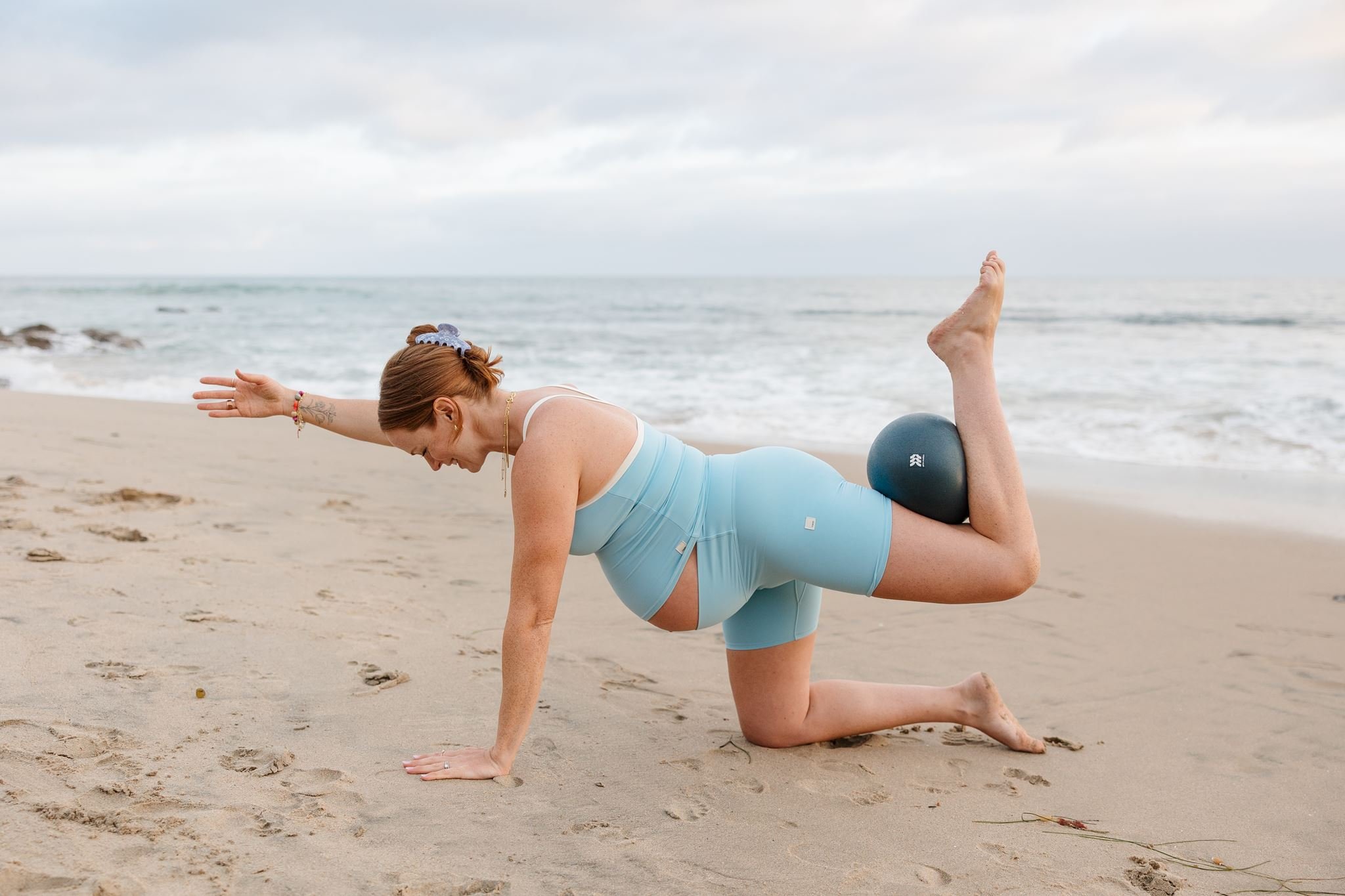
Your midwife and doula each play a powerful role.
Your pelvic floor PT fills a different gap.
I help you understand what is happening in your body, prepare your pelvic floor for birth, manage pressure, reduce symptoms, rebuild strength, and create a plan for recovery before you are stuck googling “is this normal?” at 2 a.m.
Pelvic floor PT is not just for women who are “broken.” It is for every birthing person who wants to feel strong, informed, and supported in their body.
Birth better.
Heal stronger.
Stop waiting until symptoms become loud enough to finally deserve care.
What to Do Next
Choose the path that fits where you are right now.
Powerful Pregnancy Coaching
For the mama who wants expert guidance now — strength, pelvic floor support, symptom strategy, birth prep, and a postpartum plan before the third trimester hits hard.
Birth Prep Course
For the mama who is ready to prepare her pelvic floor, pushing mechanics, birth positions, partner support tools, and recovery foundation before delivery day.
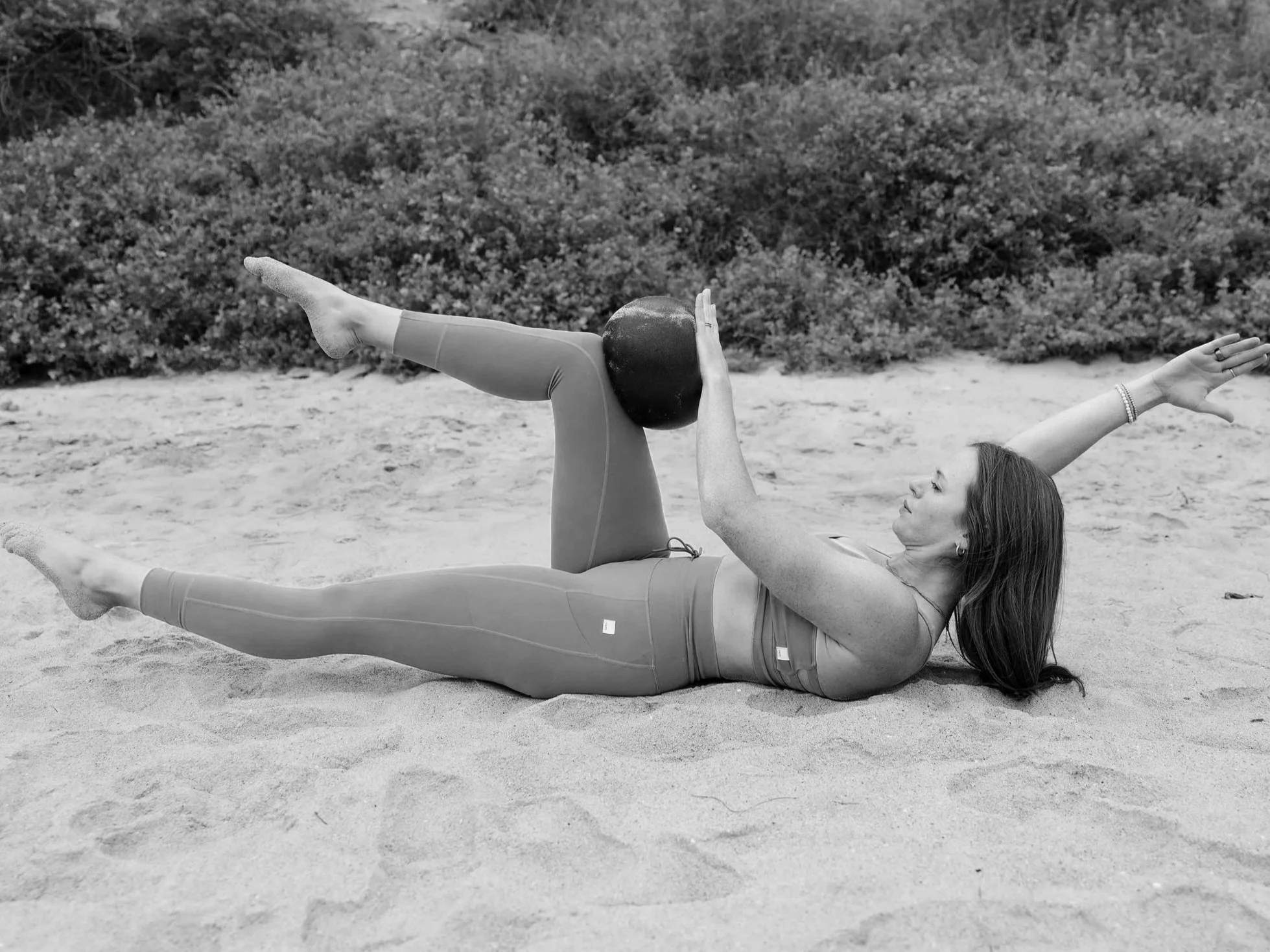
Postpartum Recovery Coaching
For the mama who wants a clear plan to rebuild her core, pelvic floor, strength, confidence, and connection after birth — without waiting for symptoms to spiral.
ABOUT ME:


I’m Dr. Natalie Forsell, a Doctor of Physical Therapy, pelvic floor physical therapist, prenatal and postpartum coach, and a mother who has lived the difference between being technically “fine” and actually feeling supported in her body.
I became a pelvic floor PT because I knew mothers deserved better.
But I became this kind of provider because motherhood humbled me.
After my first living daughter was born, I had the credentials, the athletic background, and the clinical knowledge—and I still found myself in a postpartum body I barely recognized.
My first birth was a 60-hour labor that ended in a hospital transfer.
Postpartum, I dealt with symptoms I never imagined would be part of my story: back pain, numbness, core weakness, pelvic pain, painful sex, migraines, constipation, rib flare, and a deep disconnection from the body I thought I knew.
And the care I received was not enough.
That experience changed everything.
When I prepared for my next birth, I approached pregnancy differently. I trained my body differently. I supported my pelvic floor differently. I prepared for postpartum differently.
And my second birth and recovery showed me what is possible when preparation starts before the crisis.
Now, as a mother, clinician, and currently pregnant woman myself, I coach women through pregnancy with the care I believe every mother deserves:
Expert support.
Real strategy.
Strength without fear.
Birth prep that actually includes the body.
Postpartum planning before postpartum begins.
I am not here to treat you like a porcelain doll.
I am here to help you feel powerful, prepared, and at home in your body as you become a mother.
Have Questions? Connect with me here: